
Knowledge Center
What is Pop-Up Retail? Definition, Benefits, and Examples
September 2, 2025 in Knowledge Center

Pop-up retail refers to temporary retail spaces designed to operate for a limited time—anywhere from a few days to several months. These stores are often used to launch new products, test new markets, create brand buzz, or capture seasonal demand during high-traffic periods like holidays and special events.
Unlike traditional brick-and-mortar stores, pop-up shops are intentionally temporary and flexible, giving brands a cost-effective way to connect with customers and deliver a unique shopping experience.
Key characteristics of pop-up retail
Temporary nature
The defining feature of pop-up retail is its short-term presence. Brands can seize specific opportunities without the long-term costs of a permanent location.
Flexibility and mobility
Pop-up shops can appear in many locations: vacant storefronts, shopping malls, outdoor events, or even non-traditional venues like shipping containers. This mobility allows retailers to test new geographies and reach diverse customer groups.
Experiential focus
These stores are designed for engagement. Pop-up retail often highlights immersive experiences, interactive displays, or themed concepts that build excitement and leave lasting brand impressions.
Cost-effectiveness
With lower overhead costs and short-term leases, pop-up retail is accessible to startups and small businesses, while also offering established brands a low-risk way to experiment.
Benefits of pop-up retail
Market testing
Pop-up shops are a practical way to test new products, services, or concepts. Businesses gain insights from direct customer feedback before investing in a permanent rollout.
Increased brand awareness
Because of their novelty and exclusivity, pop-up stores often generate media coverage and social buzz. This visibility helps brands reach new audiences they might not capture through traditional channels.
Stronger customer engagement
Pop-ups provide opportunities for one-to-one engagement. Live demos, interactive features, and hands-on experiences help build stronger connections with customers.
Boosted sales through urgency
Limited-time availability creates urgency, encouraging faster purchase decisions and often increasing conversion rates.
Examples of pop-up retail
| Fashion brands | Brands like Louis Vuitton and Chanel launch pop-ups to showcase limited collections or collaborations, creating exclusive shopping experiences that draw in new and existing customers. |
| Food and beverage | Pop-up restaurants and cafes let chefs test new menus and concepts while creating buzz ahead of permanent openings. |
| Technology companies | Companies like Google and Samsung use pop-up stores to provide hands-on demonstrations of new products, allowing customers to explore and engage with devices directly. |
| Seasonal retailers | Holiday pop-up shops—selling decorations, gifts, and specialty items—take advantage of peak shopping seasons and high foot traffic. |
Why pop-up retail matters
Pop-up retail combines speed, flexibility, and experience-driven shopping in a way traditional stores can’t. For businesses, it offers a low-risk way to test markets, strengthen brand presence, and engage customers in memorable ways.
Whether you’re a growing startup or an established brand, incorporating pop-up retail into your strategy can be a powerful way to drive sales, build awareness, and deliver unique customer experiences.
Pop-up retail FAQs
What is pop-up retail?
Pop-up retail refers to short-term stores designed to sell products, launch collections, or create brand engagement in temporary spaces.
How long do pop-up shops usually last?
Most pop-up stores last anywhere from a few days to a few months, depending on the event, lease, or marketing goal.
Why are pop-up shops effective?
They create urgency, reduce costs, and provide immersive customer experiences that strengthen brand loyalty.
Are pop-up shops profitable?
Yes. With lower overhead and a strong marketing hook, many retailers see higher sales per square foot in pop-ups than in permanent stores.
How much does it cost to open a pop-up shop?
Costs vary widely depending on location, size, and design. Small pop-ups may cost only a few thousand dollars to launch, while larger branded experiences can run into the tens of thousands. Compared to permanent retail, they are typically far more cost-effective.
Do pop-up shops require special permits?
Yes, in most cases. Permits can include temporary business licenses, health and safety clearances (for food and beverage), and insurance coverage. Requirements vary by city and venue.
What types of businesses profit from pop-up retail?
Fashion, food and beverage, beauty, customer electronics, and seasonal retailers often use pop-ups. However, any business looking to test products, build awareness, or connect with customers in person can benefit.
Recent Blog Posts
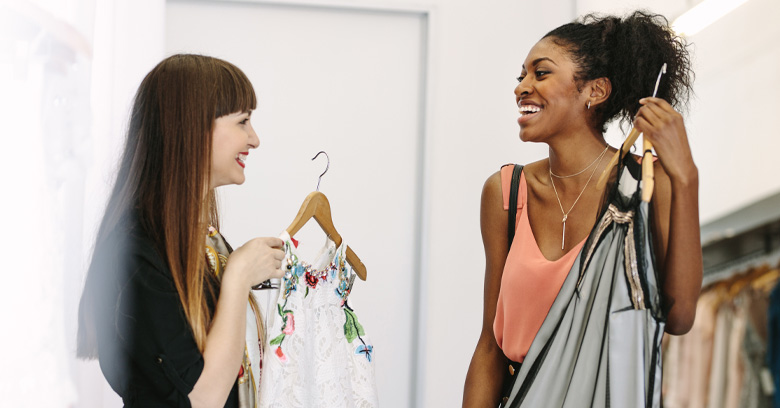
How Pooling Labor Enhances Customer Experience
Retail will always be a business supported by the human touch – your associates on the store floor Retaining experienced and knowledgeable staff in your stores is an essential component for...
READ MORE
NRF 2026 Recap: Workforce and Retail Execution Strategy in Your Stores
The key takeaway from NRF this year is clear: boosting performance in your stores is the next competitive edge Let’s be honest, retail has seen its fair share of big tech...
READ MORE
10 Signs Your Stores are Falling Behind on Peak Prep (and How to Improve Retail Execution)
Even after the holiday rush, many retailers assume “slow season = easy season” The truth February is prime time to assess retail peak prep and identify gaps in store...
READ MORESchedule a Consultation With Our Retail Experts Today
Contact us today for a 15-minute conversation on how StoreForce can help you drive store performance and execution for less than the cost of 1 transaction per week. Learn how retailers all over the world are driving performance and customer experience through our solution made exclusively for Specialty Retail.