
Thought Leadership
10 Signs Your Stores are Falling Behind on Peak Prep (and How to Improve Retail Execution)
January 12, 2026 in Field Managing in Retail, Retail Execution, Thought Leadership
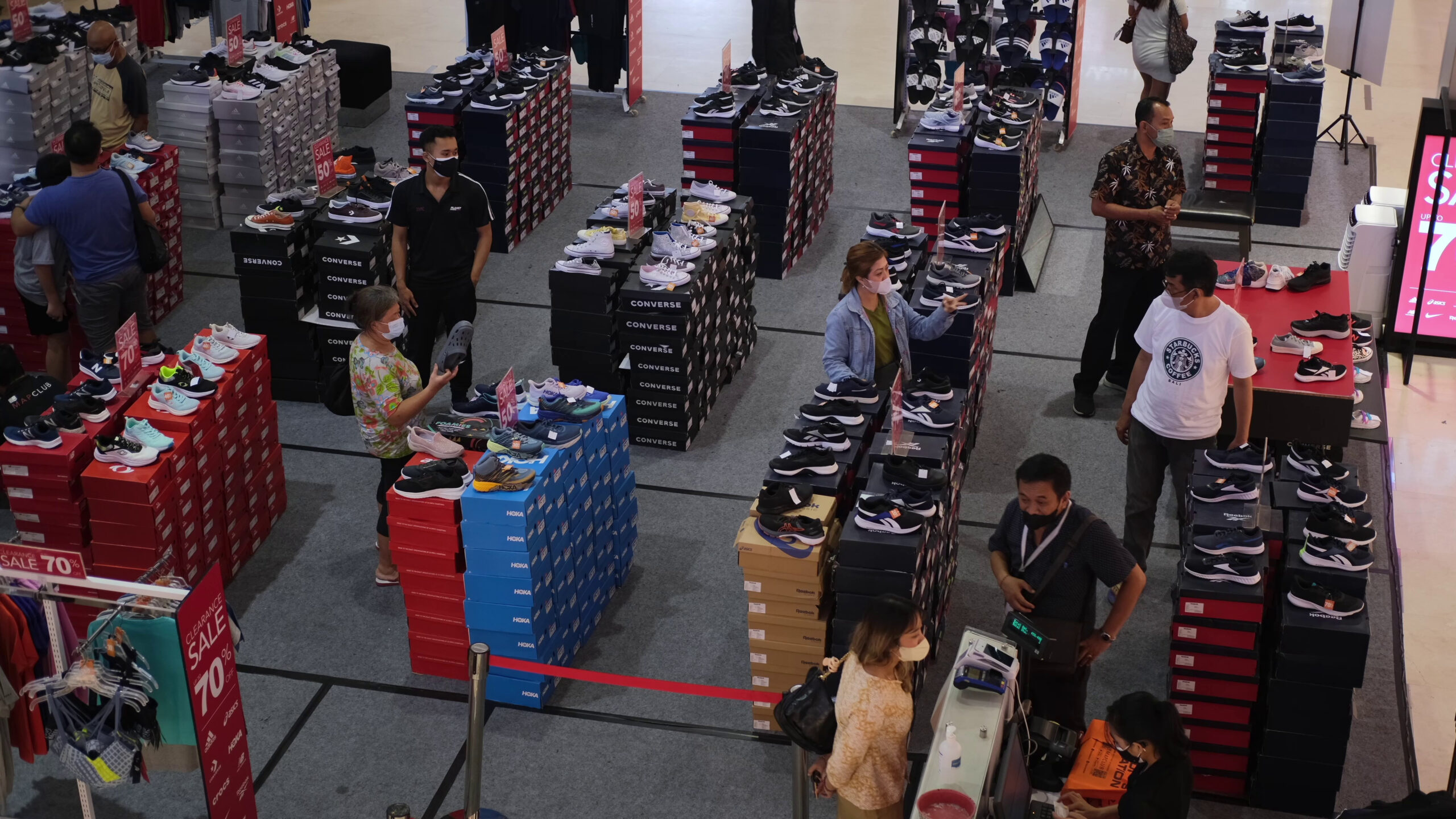
Even after the holiday rush, many retailers assume “slow season = easy season.” The truth? February is prime time to assess retail peak prep and identify gaps in store performance and execution before they snowball into bigger operational issues. By spotting these red flags early, retail leaders can optimize labor, KPIs, and in-store processes to keep teams aligned and stores performing at their best throughout the year.
Here are 10 red flags your stores may be slipping and actionable ways to catch up.
1. Long checkout lines are costing you sales
Red flag scenario: Customers are tapping their watches while waiting to pay.
KPI to watch: Average transaction time and peak-hour conversion rate.
How to catch up: Reallocate staff to high-traffic registers and cross-train associates to handle both checkout and floor tasks. Track transactions by hour to spot bottlenecks—reducing checkout time even by 30 seconds per transaction can improve revenue and customer satisfaction.
2. Empty shelves make customers walk away
Red flag scenario: Popular items are either missing or buried in the back.
KPI to watch: Inventory turnover and stockout rate.
How to catch up: Conduct daily planogram audits and ensure high-demand SKUs are front-and-center. Use performance data from the holiday period to prevent stockouts and maximize high-margin product visibility.
3. Retail labor schedules that don’t match demand
Red flag scenario: Too many associates in slow hours, too few during spikes.
KPI to watch: Sales per labor hour and coverage effectiveness.
How to catch up: Align labor to actual demand using historical sales data. Shift experienced associates to peak periods and adjust slow-hour coverage to reduce costs while maintaining service quality. Small schedule tweaks can significantly boost efficiency and customer satisfaction.
4. Daily tasks are falling through the cracks
Red flag scenario: Floor teams forget to reset displays, check inventory, or finish merchandising tasks.
KPI to watch: Task completion rate.
How to catch up: Reinforce ownership by assigning clear responsibilities and daily check-ins. Consider gamifying task completion to drive accountability and maintain consistent in-store execution.
5. Leaders don’t know which retail metrics matter
Red flag scenario: Managers aren’t sure which metrics actually matter this quarter.
KPI to watch: Conversion, peak coverage effectiveness, task completion.
How to catch up: Focus on 3–5 key KPIs and review them weekly. Visibility into these metrics ensures leaders can identify gaps early and make data-driven decisions.
6. Inventory levels are all over the place
Red flag scenario: Some stores run out of top sellers while others have excess stock.
KPI to watch: Stockout rate and inventory turnover.
How to catch up:
Revisit stocking assumptions using real demand and January performance data. Balancing inventory across locations prevents both lost sales and unnecessary holding costs, improving overall store performance.
7. Training is getting left behind
Red flag scenario: New hires and seasonal staff are still figuring out the ropes mid-February.
KPI to watch: Task accuracy and training completion rate.
How to catch up: Use slower periods to run micro-training sessions. Developing strong habits now ensures consistent execution during the next peak season.
8. Communication feels like smoke signals
Red flag scenario: Updates, tasks, and alerts get lost in emails or sticky notes.
KPI to watch: Task acknowledgement and response times.
How to catch up: Standardize communication channels. Daily huddles or task dashboards cut confusion and keep execution consistent across teams.
9. Performance is random and inconsistent
Uh-oh scenario: Feedback is inconsistent, leaving teams unsure what “good” looks like.
KPI to watch: Frequency of check-ins and team compliance with feedback actions.
How to catch up: Schedule regular, brief performance reviews. Consistent feedback reinforces expectations and allows teams to course-correct before small gaps become bigger problems.
10. Peak prep feels like a surprise
Red flag scenario: It’s March, and stores aren’t ready for spring promotions or back-to-school prep.
KPI to watch: Store readiness score (planogram compliance, staffing, task completion)
How to catch up: Treat January and February as peak prep season. Finalize playbooks, align labor to demand, and practice execution so teams enter peak periods confident and ready.
Don’t let peak season catch your stores off guard
The sooner you spot these red flags, the easier it is to prevent major operational issues later. Stores that catch gaps early stay aligned, customers stay happy, and teams hit their targets consistently.
Recent Blog Posts

How Pooling Labor Enhances Customer Experience
Retail will always be a business supported by the human touch – your associates on the store floor Retaining experienced and knowledgeable staff in your stores is an essential component for...
READ MORE
NRF 2026 Recap: Workforce and Retail Execution Strategy in Your Stores
The key takeaway from NRF this year is clear: boosting performance in your stores is the next competitive edge Let’s be honest, retail has seen its fair share of big tech...
READ MORE
10 Signs Your Stores are Falling Behind on Peak Prep (and How to Improve Retail Execution)
Even after the holiday rush, many retailers assume “slow season = easy season” The truth February is prime time to assess retail peak prep and identify gaps in store...
READ MORESchedule a Consultation With Our Retail Experts Today
Contact us today for a 15-minute conversation on how StoreForce can help you drive store performance and execution for less than the cost of 1 transaction per week. Learn how retailers all over the world are driving performance and customer experience through our solution made exclusively for Specialty Retail.